Bishop Piero del Tramazzo: The Grand Inquisitor with Literary Ambitions

Bishop Piero del Tramazzo

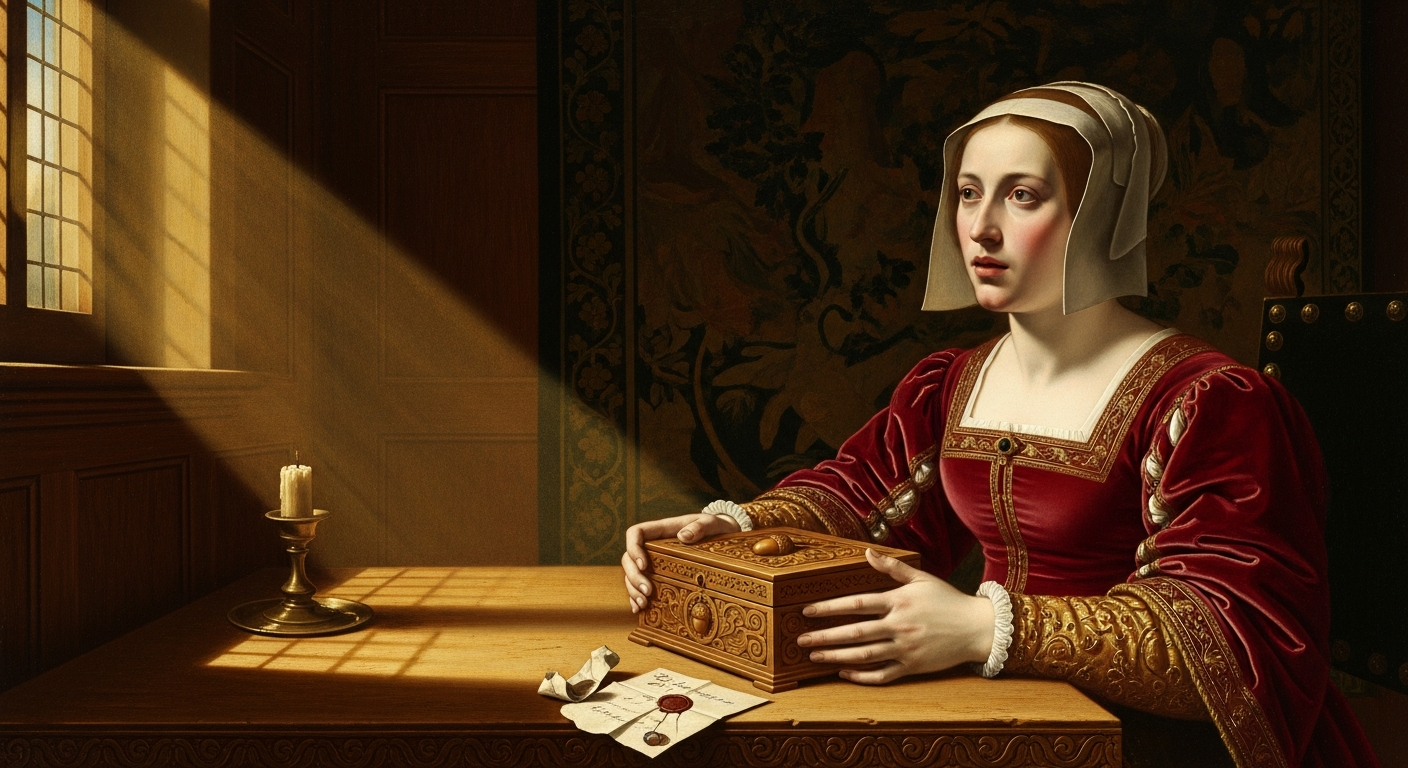
We meet the Bishop in his office overlooking the Seine, where scattered manuscript pages and an overturned inkwell hint at recent writing frustrations Renaissance Weekly: Your Grace, thank you for receiving us during what must be an incredibly busy time. The recent Faber affair has certainly kept the Inquisition occupied. He gestures wearily at a … Read more

Tudor Blackwork Embroidery: Catherine of Aragon’s Fashion

Introduction Imagine Henry VIII, the larger-than-life monarch famous for his six wives and political upheavals, delicately donning a shirt adorned with intricate black silk embroidery. This wasn’t merely a fashion statement but a testament to one of the Tudor court’s most sophisticated decorative arts: blackwork embroidery. What began as a foreign technique brought to English … Read more

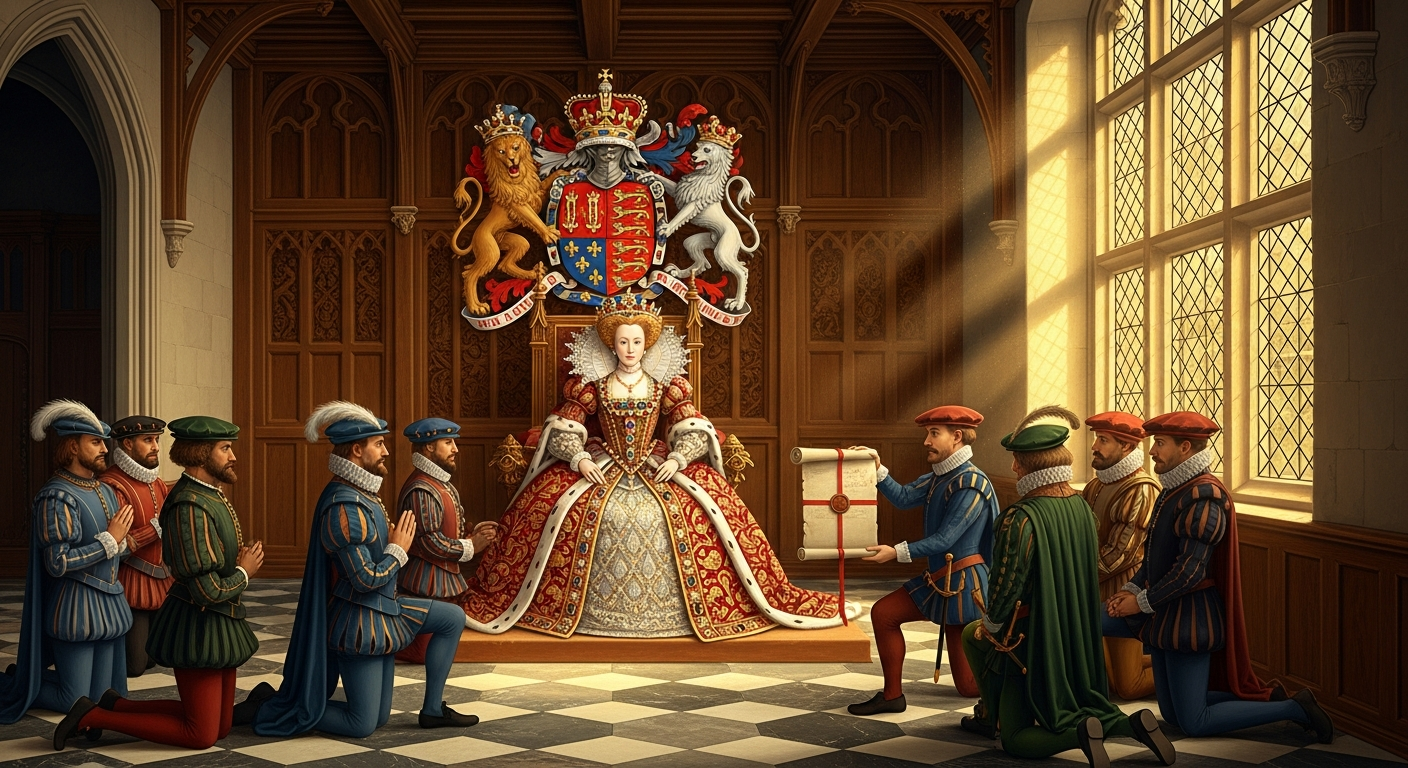
Elizabeth I’s 3,000 Dresses: Tudor Queen’s Vast Wardrobe

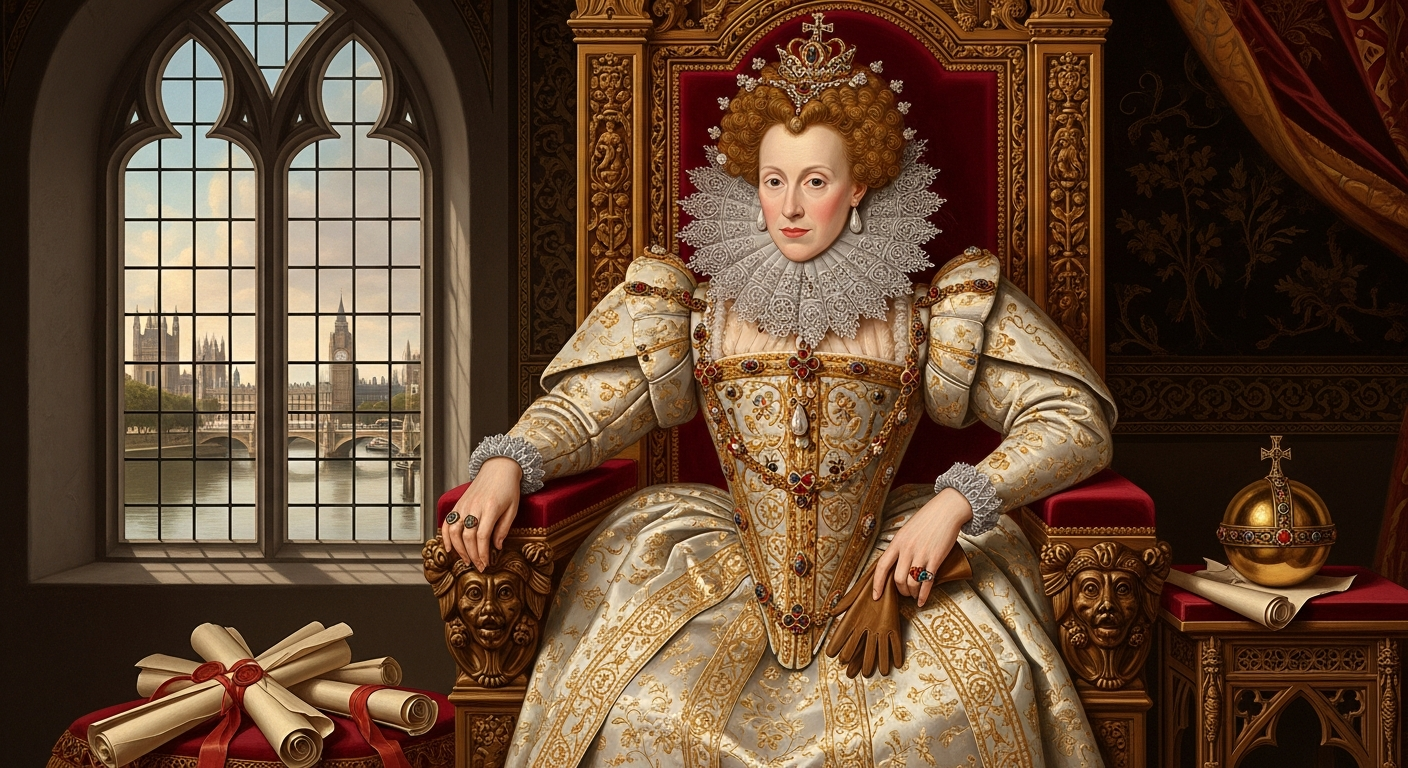
Introduction When Queen Elizabeth I died in 1603, officials at Richmond Palace faced an extraordinary task that would consume months of their time: cataloguing the monarch’s staggering collection of over 3,000 dresses. This wasn’t simply a matter of royal extravagance gone unchecked, but rather a carefully orchestrated display of power, diplomacy, and statecraft woven into … Read more

Henry VIII’s £4,000 Coronation Outfit: Gold, Pearls & Diamonds

The Most Expensive Royal Outfit in History: Henry VIII’s Coronation Splendour When eighteen-year-old Henry VIII stepped into Westminster Abbey on 24th June 1509, he wasn’t merely accepting a crown – he was making the most expensive fashion statement in English royal history. His coronation doublet, crafted from cloth-of-gold and encrusted with over 2,000 pearls and … Read more

Lavenham Tudor Wool Trade: England’s 14th Richest Town

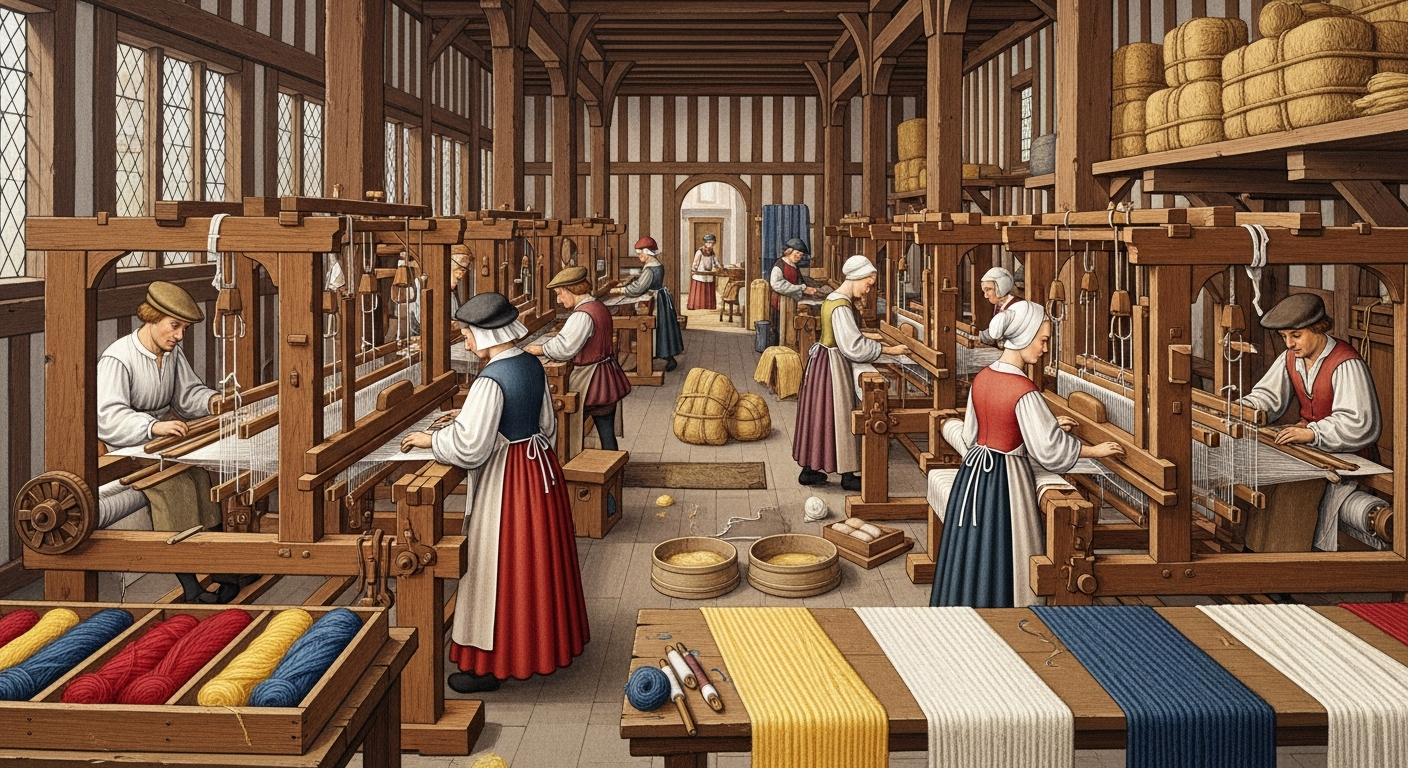
Introduction In the bustling market squares of Tudor England, few sights could match the grandeur of Lavenham’s magnificent timber-framed guildhall or the soaring spire of Holy Trinity Church. Yet this Suffolk village’s extraordinary wealth didn’t come from royal patronage or noble inheritance, but from something far more humble yet revolutionary: sheep’s wool. By 1524, the … Read more